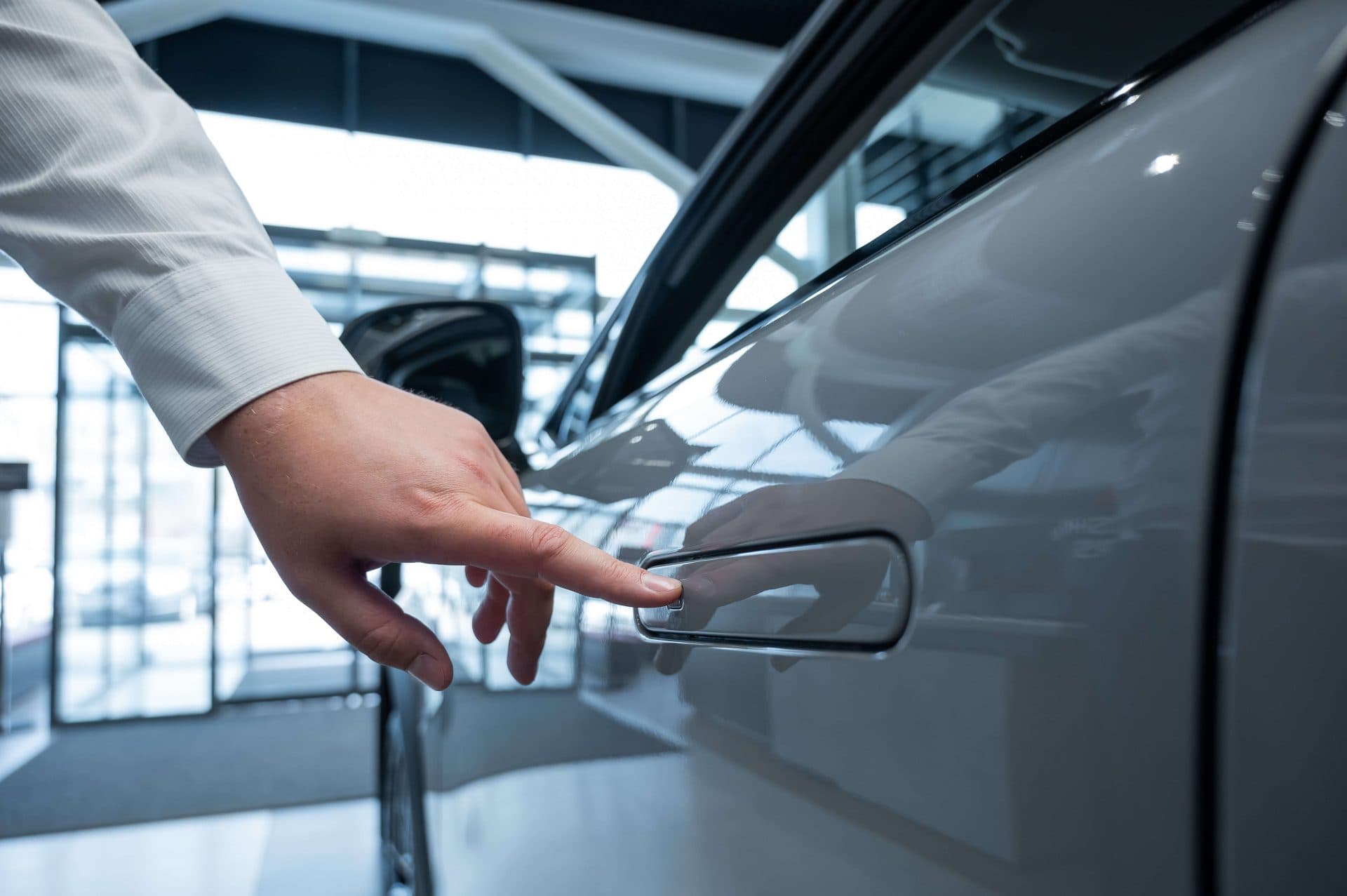
On January 28, 2026, the State Administration for Market Regulation (SAMR) and the Standardization Administration of China (SAC) approved GB 48001-2026 — "Safety Technical Requirements for Automotive Door Handles."
This mandatory national standard effectively bans the purely electronic, fully flush door handle design popularized by Tesla and adopted by dozens of Chinese EV manufacturers.
The standard takes effect on January 1, 2027. New models seeking type approval must comply from day one; existing models have until January 1, 2029 to retrofit.
Why the Ban?
Flush door handles have been linked to multiple incidents where passengers were unable to exit vehicles during accidents or battery failures.
When a car loses electrical power — whether from a crash, fire, or battery malfunction — electronically actuated handles can become inoperable, trapping occupants inside. Several high-profile accidents in China involving EVs with flush handles prompted regulators to act.
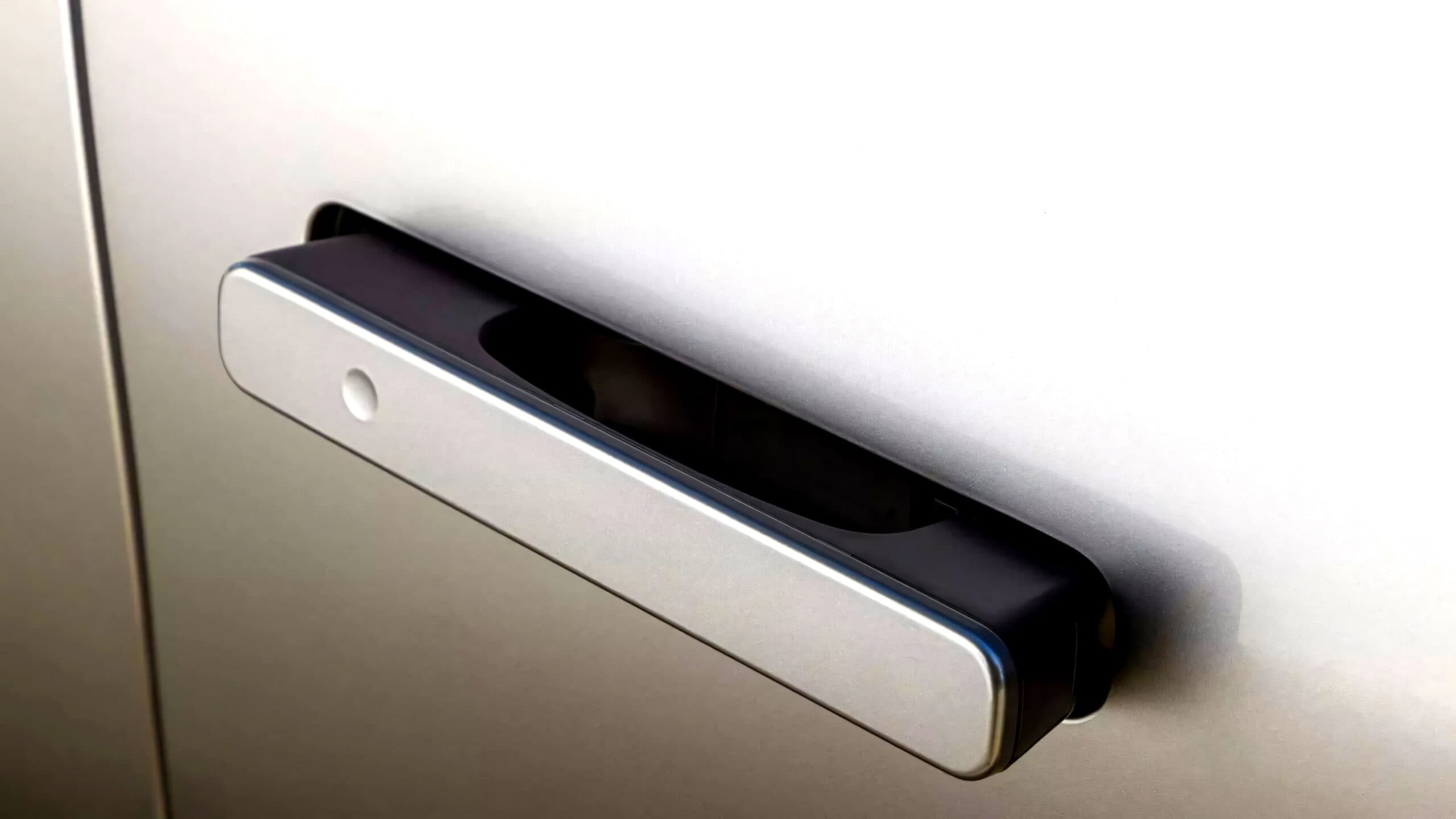
According to NPR, Chinese authorities investigated multiple fatal incidents where rescuers struggled to open doors on vehicles equipped with flush handles after crashes and fires.
Key Technical Requirements
GB 48001-2026 introduces several specific requirements:
- Mechanical redundancy: Every door (excluding the tailgate) must retain a physical opening method that functions even during battery failure or airbag deployment.
- Minimum grip space: Exterior handles must provide a gripping area of at least 60mm × 20mm × 25mm — enough for adult fingers to get a solid hold.
- Handle strength: Handles must withstand a minimum force of 500N without fracturing or detaching.
- Interior handle placement: Each door requires at least one independently operated mechanical inner handle, positioned within 680mm above the seat R-point reference.
- Labeling: Interior release mechanisms must be permanently marked with visible icons at least 10mm × 7mm, with text height of minimum 6mm, ensuring visibility even in darkness.
Testing Procedures
The standard mandates two test scenarios for vehicles with electric release systems:
- Static power-off test — simulating complete battery failure. The mechanical backup must allow door opening.
- Dynamic collision test — simulating body deformation from a crash. Doors must still open mechanically.
Both tests require successful mechanical door opening. For more technical details, see the detailed analysis by Gasgoo.
Who Is Affected?
Over 40 automakers and parts suppliers participated in drafting the standard, including BYD, Geely, and Volkswagen China, with more than 100 experts involved.
Virtually every major EV manufacturer selling in China will need to redesign their door handle systems. Tesla, which popularized the flush handle design with the Model S in 2012, will need to modify its vehicles for the Chinese market.

As Electrek reports, this standard could influence regulations in other markets, as European and US regulators are watching China's approach to EV safety closely.
Implementation Timeline
| Date | Requirement |
|---|---|
| January 28, 2026 | Standard approved and published |
| January 1, 2027 | New models must comply for type approval |
| January 1, 2029 | All existing models must be retrofitted |
What This Means for International Businesses
For automakers and suppliers exporting to China, compliance with GB 48001-2026 is non-negotiable. The standard applies to all passenger vehicles sold in the Chinese market, regardless of where they are manufactured.
Companies should begin reviewing their door handle designs immediately to meet the 2027 deadline for new models.
At ChinaStandards.org, we provide English translations of Chinese mandatory and recommended standards to help international businesses stay compliant. Browse our full catalog or contact us for specific standard requests.